

Call 301-614-0535 to Schedule a Consultation


How are Chapter 7 and Chapter 13 bankruptcies different?
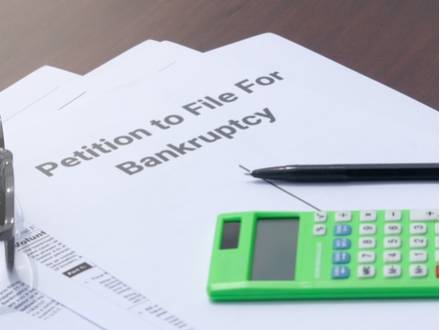 If you're struggling with debt and wondering whether bankruptcy might help, you've probably heard of Chapter 7 and Chapter 13. These are the two most common types of personal bankruptcy, but they work very differently. Choosing the wrong one can cost you time, money, and in some cases, your home.
According to the most recent report from the U.S. Courts, 59 percent of consumer bankruptcy cases were filed under Chapter 7 and 41 percent under Chapter 13, showing that both options are widely used. Before you file in 2026, find out how our Upper Marlboro, MD bankruptcy lawyer can help you figure out which path makes the most sense for you.
What Is Chapter 7 Bankruptcy?
Chapter 7 is often called liquidation bankruptcy. It's designed for people who do not have enough income to pay back their debts and need a fresh start. When you file Chapter 7, most of your unsecured debts, like those from credit cards and medical bills, can be wiped out completely. The process is relatively fast, usually taking about three to six months from start to finish.
The trade-off is that a trustee is appointed to review your assets. Any property that isn't protected by exemptions under Maryland law or federal law can be sold to pay your creditors. Most people who file Chapter 7 don't lose any property because their assets fall within the allowed exemptions, but it's important to understand the risk before filing.
What Is Chapter 13 Bankruptcy?
Chapter 13 is called a reorganization bankruptcy. Instead of wiping out your debts right away, it lets you create a three to five-year repayment plan to catch up on what you owe. At the end of the plan, any remaining eligible unsecured debts are discharged under 11 U.S.C. § 1328.
What Are the Main Differences Between Chapter 7 and Chapter 13?
Other important differences between the two types of bankruptcy include:
-
Debt discharge: Chapter 7 wipes out eligible debts quickly. Chapter 13 discharges remaining debts after you complete your repayment plan.
-
Property: Chapter 7 may require giving up non-exempt assets. Chapter 13 lets you keep your property as long as you stick to the repayment plan.
-
Income requirements: Chapter 7 requires passing a means test under 11 U.S.C. § 707(b). Chapter 13 requires a regular income to fund the repayment plan.
-
Mortgage and foreclosure: Chapter 13 is generally the better option if saving your home is the goal. Chapter 7 does not allow you to catch up on missed mortgage payments over time.
-
Credit impact: Both types stay on your credit report. Chapter 7 may remain on your credit report for up to ten years, while Chapter 13 typically remains for seven years.
Understanding these differences helps you make the right choice for your circumstances. Talking to an attorney before you file can save you from a costly mistake.
Which Debts Can Be Discharged in Bankruptcy?
Both Chapter 7 and Chapter 13 can eliminate many types of unsecured debt, but not everything. Debts that can typically be discharged include credit card balances, medical bills, personal loans, utility arrears, and some older tax debts.
On the other hand, certain debts cannot be wiped out in either chapter. These include owed child support, alimony, most student loans, recent tax debts, and fines or restitution from criminal cases. Understanding which of your debts can and can't be eliminated is an important part of deciding whether bankruptcy makes sense for you.
How Do You Know Which Type of Bankruptcy Is Right for You?
The right type of bankruptcy depends on your income, your assets, your goals, and the types of debt you're carrying. Chapter 7 tends to be a better fit for people with lower incomes, few assets, and mostly unsecured debt who need a quick resolution.
Chapter 13 tends to work better for people with a steady income who are behind on secured debts, such as a mortgage, and want to keep their property while getting their finances back on track.
Neither option is one-size-fits-all, and the decision deserves careful thought with the help of an experienced attorney.
Contact Our Greenbelt, MD Bankruptcy Attorney Today
Attorney Bell at The Law Office of Donald L. Bell provides hands-on, personal guidance to every client. With more than 20 years of experience in bankruptcy law and a special focus on helping clients save their homes, he brings a level of knowledge and dedication that's hard to find. He currently serves as the chair of the National Bar Association's Bankruptcy section, a reflection of the respect he has earned among his peers in this field.
If you're ready to take the first step toward financial relief, contact an Upper Marlboro, MD bankruptcy lawyer who you can trust. Call 301-614-0535 to schedule a consultation.

Get Control of Your Life Back and Contact Us to Schedule a Consultation
Office Locations
Columbia, MD Office
Proudly Serving Greenbelt, MD and surrounding areas including Berwyn Heights, Hollywood, Lanham, Seabrook, New Carrollton, Wildercroft, College Park, Silver Spring, Rockville, Bowie, Burtonsville, Largo, Takoma Park, Upper Marlboro, Clinton, Hyattsville, Annapolis, Crofton, Columbia, Ellicott City, Beltsville, Landover, Bethesda, Chevy Chase, Glen Burnie, Catonsville, Laurel, Germantown, Gaithersburg, Potomac, Pasadena, Severna Park, Baltimore, Frederick, Olney, Langley Park, National Harbor, District Heights, Odenton, Edgewater, Severn, Linthicum Heights, Gambrills, Owings Mills, Pikesville, Towson, Snowden Pond, Acredale, Ammendale, and White Oak Manor.
We are a debt relief agency. We help people file for bankruptcy relief under the Bankruptcy Code.

